The Lab
Bringing accelerated adaptation to life.
What we do
The epigenome is a dynamic system. Some changes encode memory. Others are causal for what comes next.
The lab builds and validates the tooling required to measure and remodel both.
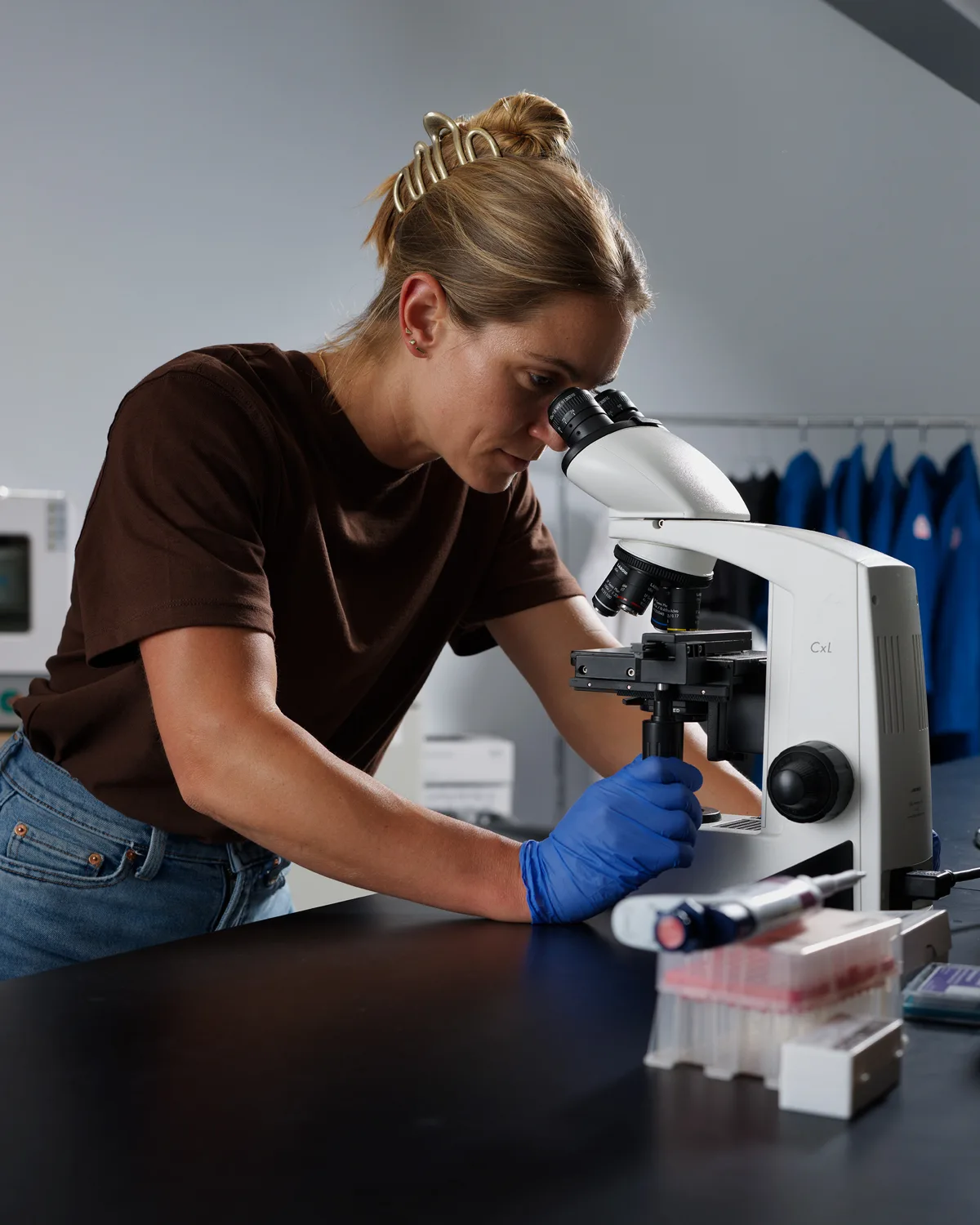
Why it exists
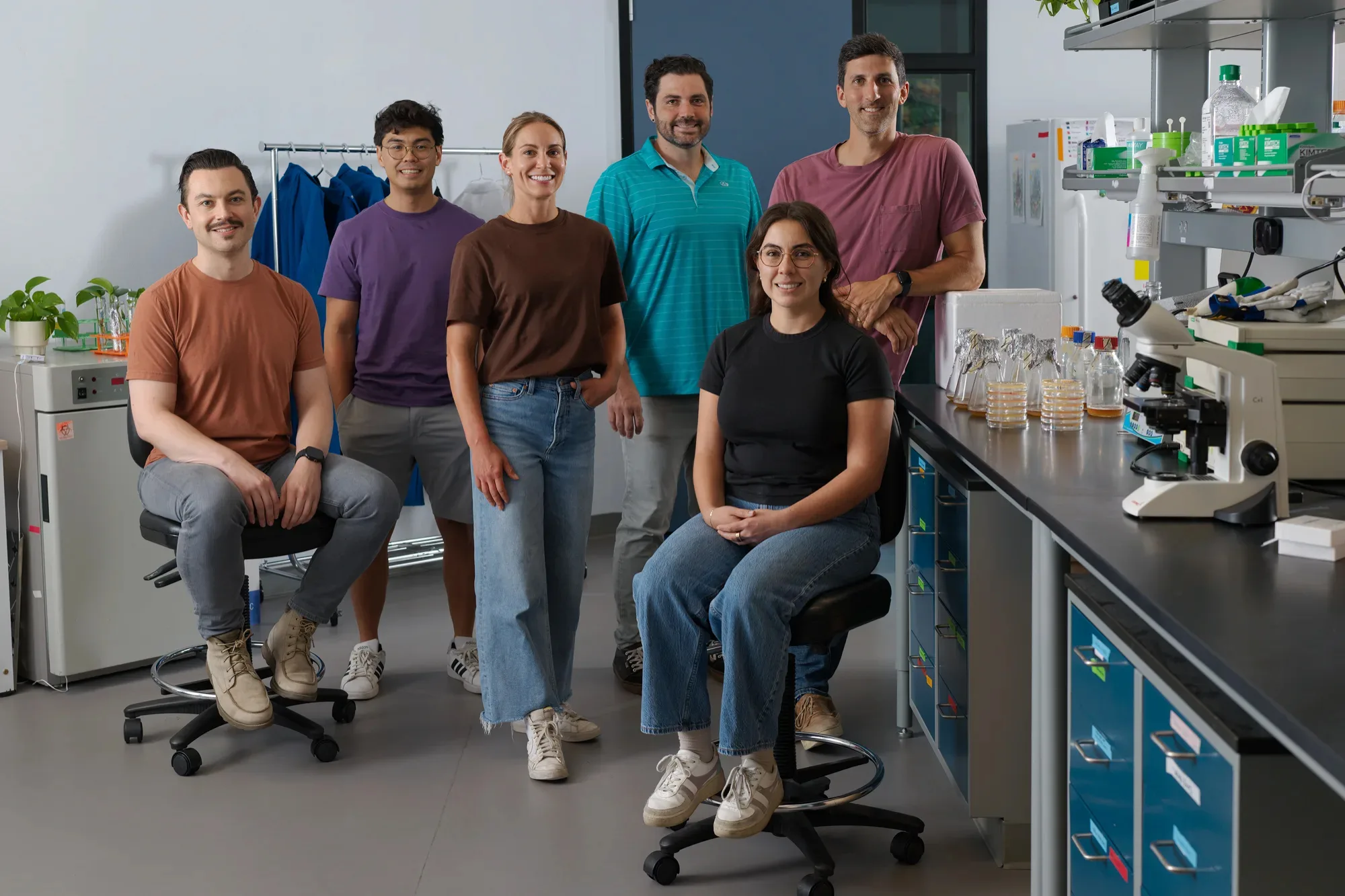
The lab is where the models meet real systems. Tellus predicts which epigenomic changes should matter. The lab finds out whether they do.
Every experiment produces perturbation data that sharpens the next prediction. That loop is how the epigenome becomes actionable.
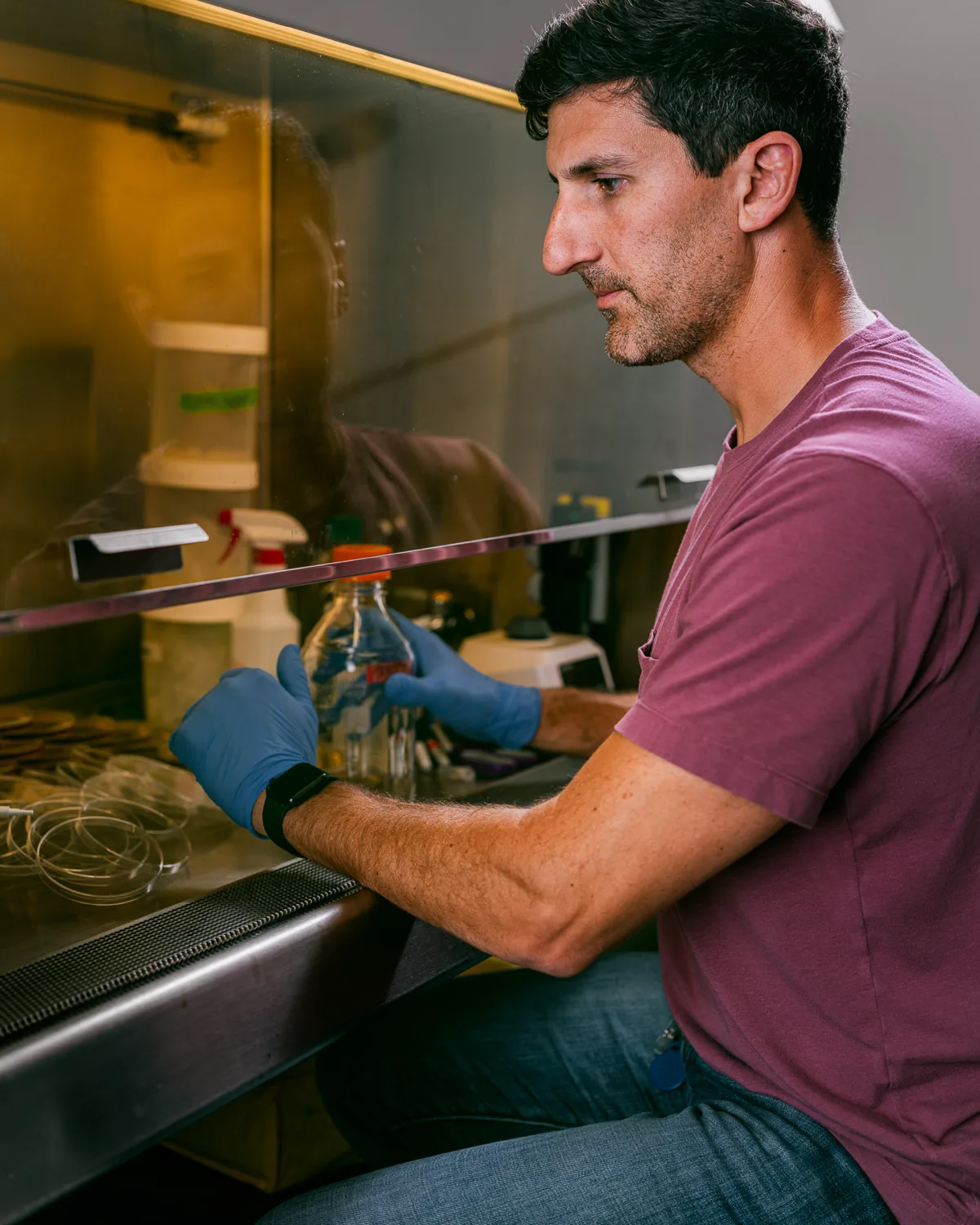
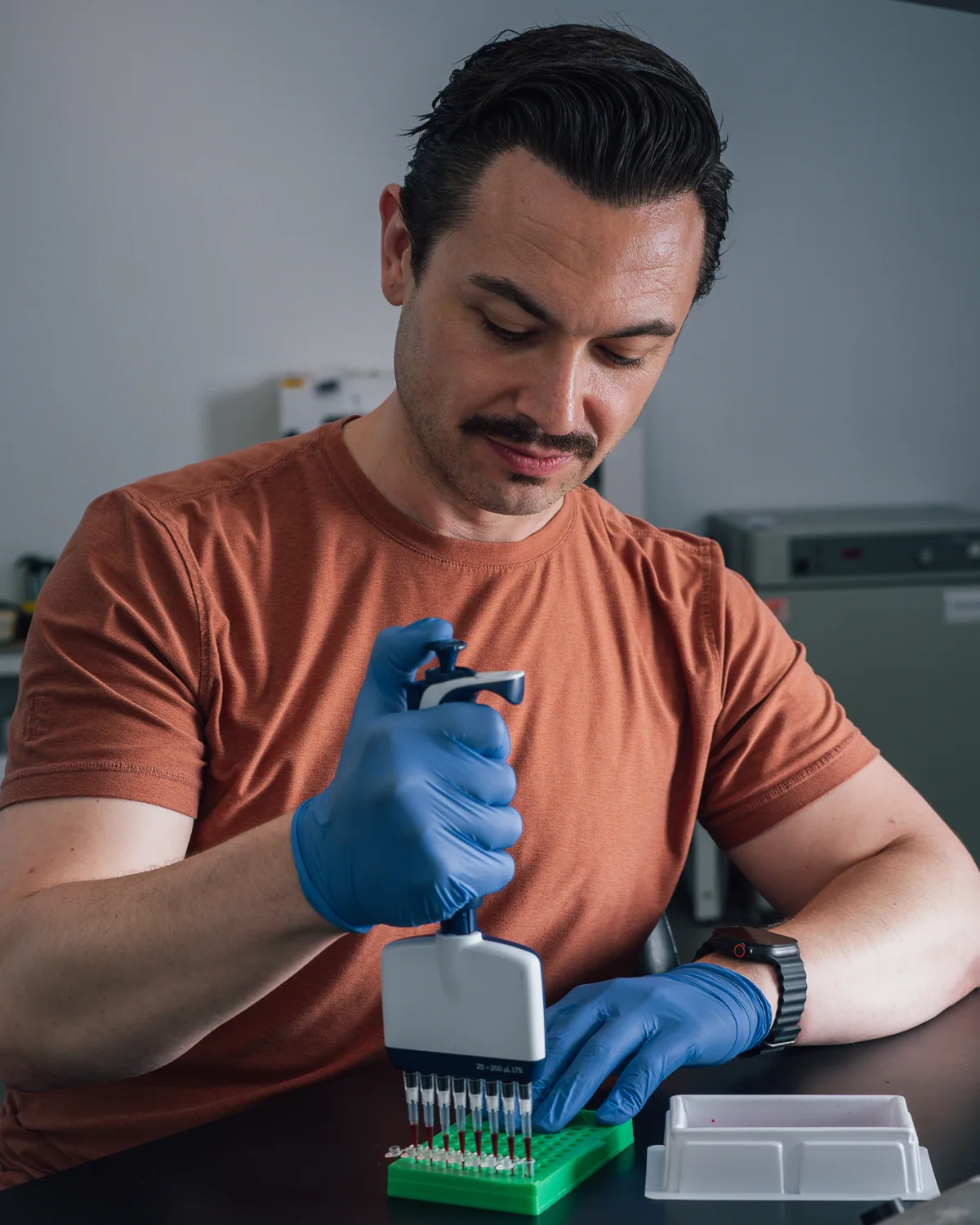
Where we work
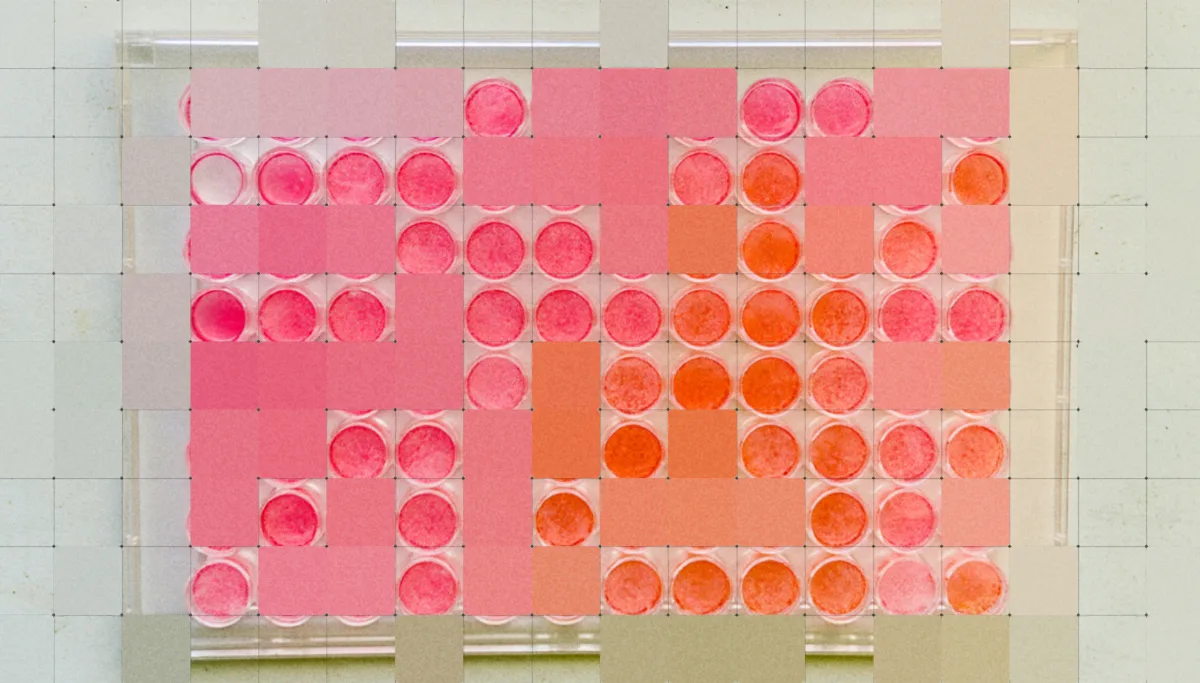
We work in yeast and plants today for speed. They close the loop in weeks. The tooling is built to be extensible across species.
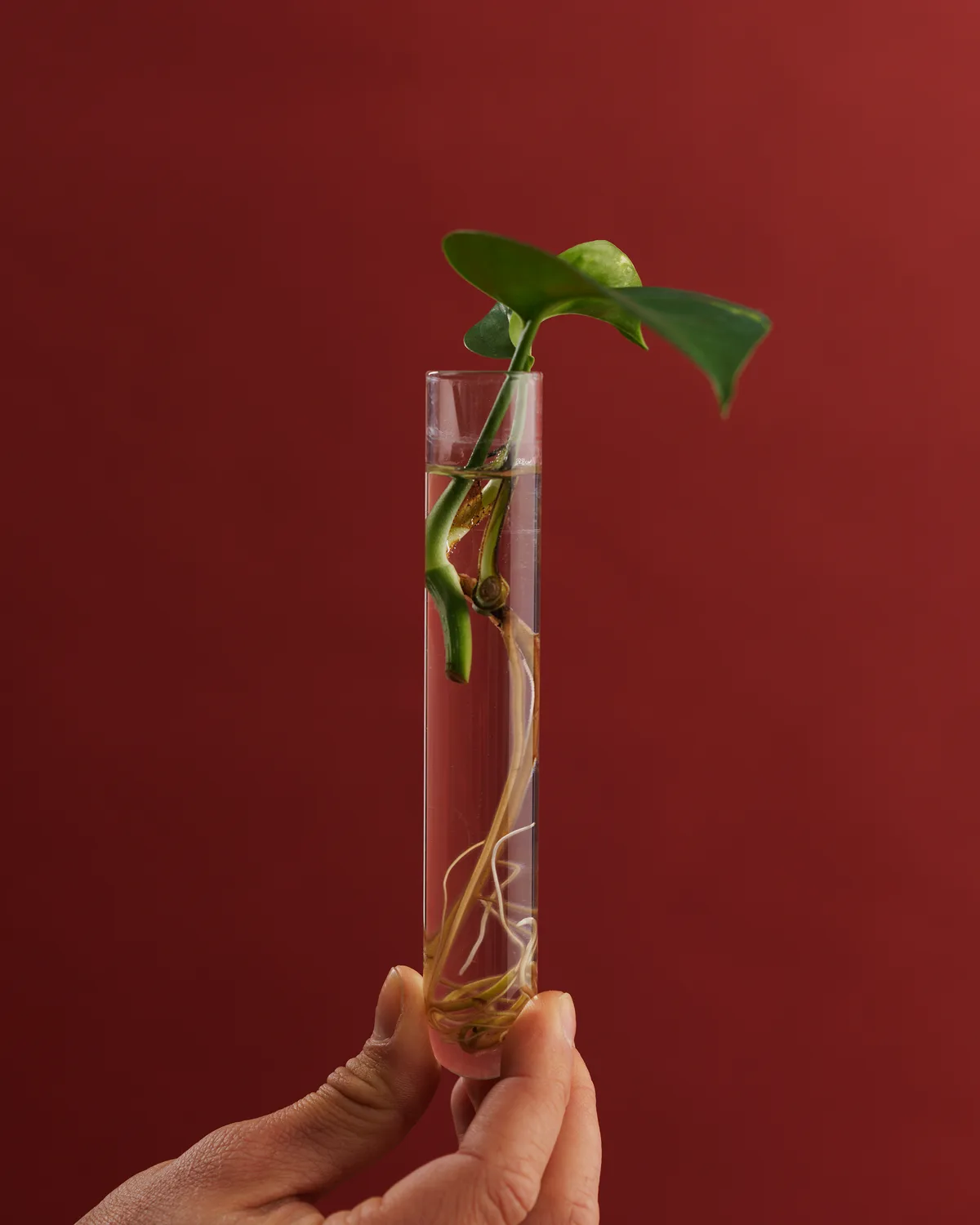
Partnerships
The lab is open to partnerships with companies building focused epigenomic perturbation data. What would you hope the lab could bring to life for you?
Start a conversationJournal
Notes from Nurture
-
What Payments Taught Me About Genomic Data
My family started a water delivery business and needed a way to take money for the water, so I built the checkout.
-
Visualizing the Biological Clock of the Human Brain
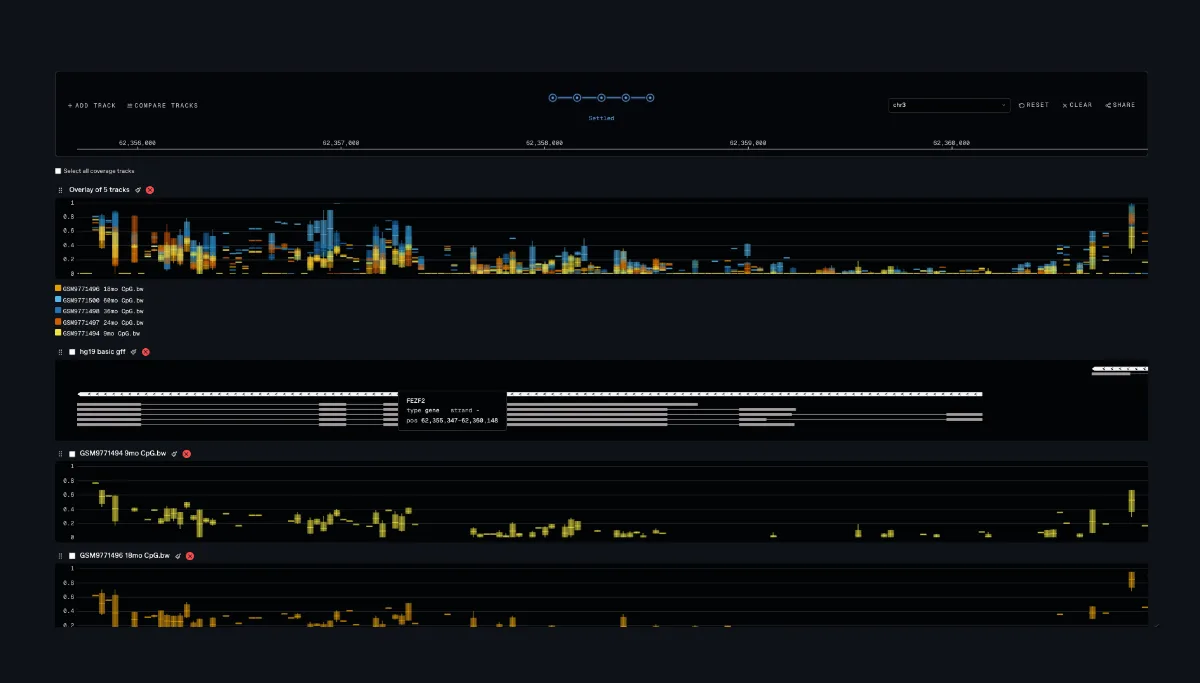
This paper released whole-genome bisulfite methylation and RNA expression across years of organoid culture to public repositories. Often “public” and “explorable” are not the same thing. We rebuilt that afternoon into a few clicks.
-
One Genome, Many Biological States
Nearly every cell in the body shares one genome, yet a neuron and a bone cell could not behave more differently. What the epigenome explains, what it doesn't, and where the field goes next.
-
Nature, Nurture, and the Shape of DNA
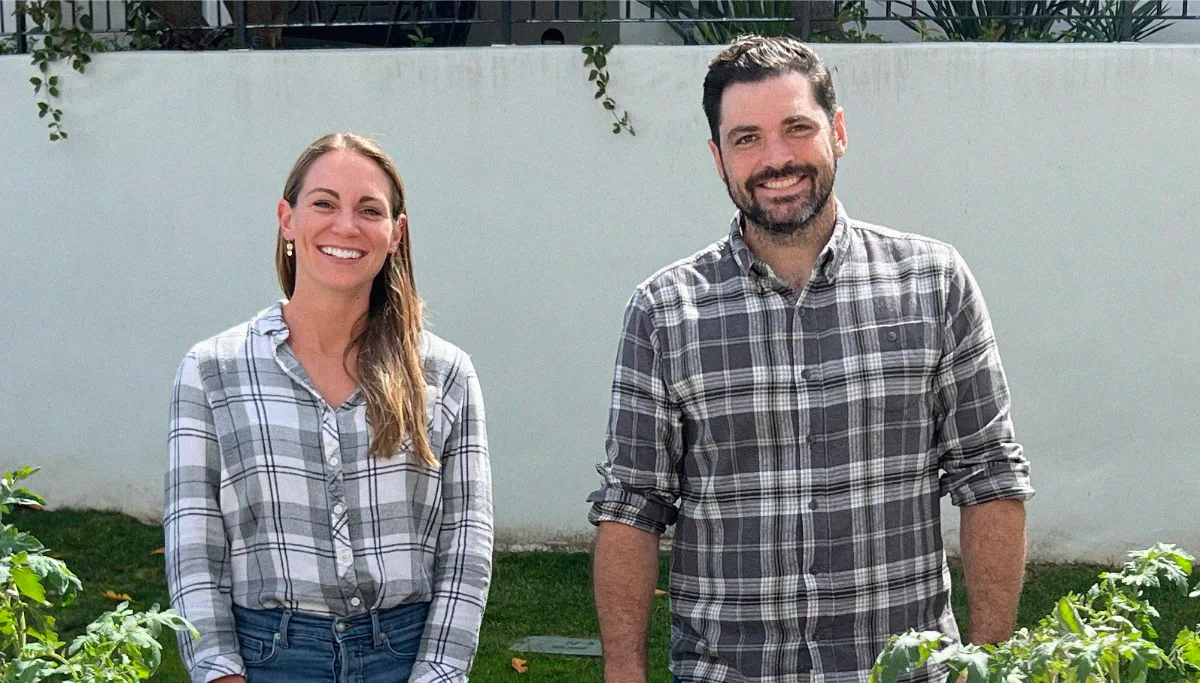
A question about avocados became an epigenomics company. Nurture's founders on cellular memory, the chasm between the promise of the epigenome and the tools to work in it, and what they're building to cross it.